Savor the Winter Olympics from Northern Italy's Südtirol
- Pamela Marasco

- Feb 15
- 6 min read
Updated: Feb 16
The region’s overlooked charm is slightly off the tourist flow yet the towns and villages of this unique region of Italy in the foothills of the Dolomites lead to an exceptional experience to see and savor Italy during the 2026 Winter Olympics.

Italy's Südtirol, the Trentino Alto-Adige, crowns northern Italy right beneath Austria and a mere yodel away from Switzerland. A mixture of Italian flair and captivating Alpine beauty the region is defined by the tectonic Dolomites and scenic valley views that are breath taking. Recognized for their outstanding universal value and mountain landscapes of vertical spires and pale-colored limestone peaks, the Dolomites were designated as a UNESCO World Heritage Site in 2009. .

The beauty of winter in Italy’s Südtirol inspires me to take time to appreciate the season which despite the cold and severe weather can offer some once a year pleasures to savor and Olympic Gold. Here are 5 Italian inspired ways to celebrate a Northern Italian Südtirol-style winter Olympics.
Italian Fonduta and Bozen Beer
Savor the winter season in Italy's Südtirol with an Italian fondue or fonduta. A dish that has its origins in the traditional Swiss fondue, but it differs in the presence of of egg yolks instead of wine or liquor and the type of cheese melted. Made with butter, milk and egg yolks as a thickener, an Italian fonduta is more creamy and custard-like. In the Valle d'Aosta, a Piedmontese version is made with Fontina cheese. In Italy's South Tyrol a semi-soft cheese known as Stilfs (Stelvio) is used, made with milk from Alpine meadows near the village of Stilfs. Sometimes other cheeses are blended together. Alta Badia, a milkier form of Gruyere, named after the Alta Badia valley in the heart of the Dolomites is often used.

Fonduta from Italy's Alto Adige is served with a hearty bread typical of the region, a fresh rye, wheat and sourdough mixture with dried fruits or raisins. Also served are assorted salami, fried polenta or potatoes, and/or crudités like carrots, celery or radishes for a warming winter meal. Enjoy with a glass of Italian Sauvignon Blanc, Riesling, Pinot Grigio or a regional Langrein Alto Adige, dark garnet in color with the aroma of violets and woodland berries.
Pairing Bozen (Bolzano) beer with Italian fonduta brings together the rich, creamy, nutty flavors of a Fontina-based Alpine fondue with the crisp, malty, hoppy profile of South Tyrolean beer.

To make an Italian fonduta you will need
1 lb of Fontina cheese, cubed
1 cup whole milk
2 tablespoons non-salted butter, melted
4 egg yolks
fine sea salt and freshly ground white pepper
Method
In a medium bowl, beat together egg yolks. Add milk and whisk until well combined. Set aside. In another medium bowl set over a pot of simmering water, melt butter. Add a portion of the beaten egg and milk mixture and a handful of cheese and whisk continuously while the pot is set over simmering water (not allowing the water to boil) until cheese is melted.
Keep adding a small amount of the milk mixture and the cheese until all the ingredients are melted together (5- 7minutes). At this point, if the mixture seems too thick add 1/4 cup more milk. The final consistency should be like heavy cream so that the mixture coats the back of a spoon. Taste to season by adding some freshly ground white pepper and sea salt if needed. Pour the fonduta into a heated earthenware bowl or a fondue pot set over a burner. Keep warm and serve immediately
Italian Benessere

Italians take time to cultivate a sense of benessere (well-being) no matter what the season. Wellness in the Südtirol takes its inspiration from nature and the majestic beauty of the Dolomites. Self-care treatments involving water combined with mountain herbs and Alpine flowers are very popular. You can create an herbal steam bath by adding rosemary, lemon balm, juniper, Italian Stone Pine, or artemisia to a sachet attached to your shower head. A popular treatment follows the holistic health principles of Sebastian Kneipp, a Bavarian priest who believed that “prevention is better than cure”.
It uses water to firm and refresh the face in a practice known as facial affusion. You can use your hand held shower, bathtub faucet hose or your hands to direct the water in your bathroom sink.
Choose a pleasant, gentle flow of water. Do not turn the water all the way on.
First aim the cool stream of water at your right temple. Then guide the hose over your forehead to the left temple and then back to the right half of the face.
Run water vertically up and down over the right half of your face three times. Then treat the left half of your face in the same way.
End the application with three circular motions over the entire face.
Do not dry off your face. Instead, gently wipe the water away using your hand.
Alpine Nutrition
Seasonal eating in Northern Italy's Sudtirol all about comforting foods that best support your health and well-being during the cold months of winter. Meals focus on incorporating plant-based foods that are simple and natural. Foods that supply the body with lots of valuable vitamins, trace elements and minerals.
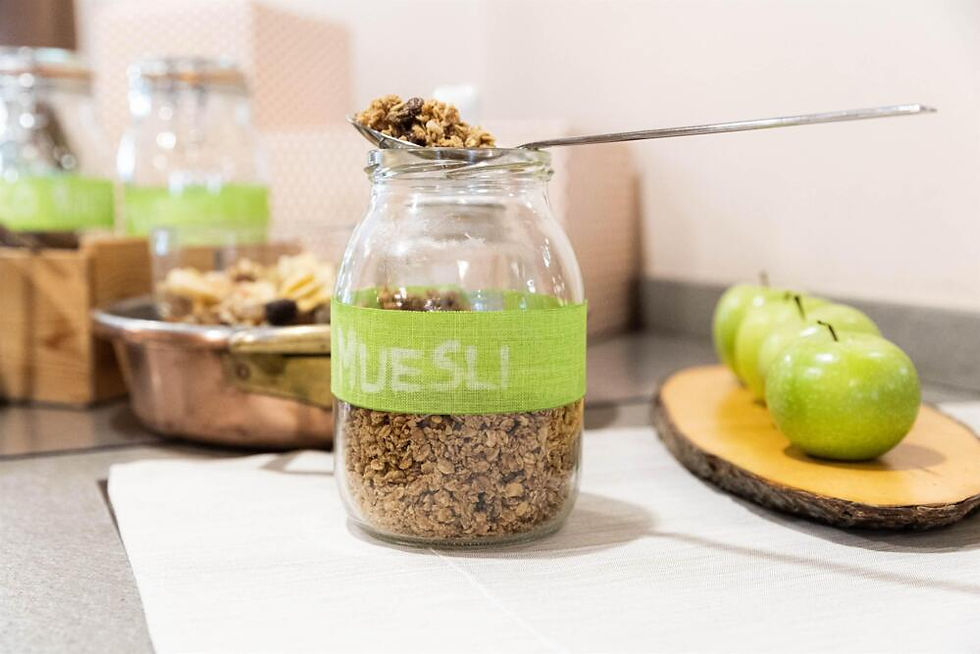
Typical foods include muesli for breakfast, legumes and grains with steamed vegetables, fresh olive oil and herbs for lunch and vegetable soups and dumplings for dinner. Like all of Italy, authentic and traditional tastes are highly valued because they bring comfort and a connection to the heritage of the region. The same dishes prepared by their grandmothers are cooked and enjoyed as simple pleasures to savor today. Like this dumpling; locally called canederli made with speck an Alto-Adige version of prosciutto, smoked instead of salted.

Ingredients
½ pound of rustic, 2-3 day old bread cut into ¼ inch cubes
1 ½ cup milk (enough to soak the bread)
½ pound speck, diced
1 tbsp. butter
2 tbsp. chopped onions
2 eggs, beaten
½ cup fresh parsley, chopped
3 tbsp. bread crumbs
½ tsp. nutmeg
5 tbsp. flour
Salt and pepper
5 cups chicken stock or water
Sage
½ cup butter (to dress canederli)
Method
Place bread in a bowl, cover with milk, stir and let sit 2 hours
Stir occasionally to make sure all bread is absorbing milk
Sauté onions in butter until soft and golden in color, set aside
Sauté speck, set aside
Drain bread in a fine colander
With a spoon gently press the bread against the colander to eliminate excess milk
Transfer bread in a bowl, add salt, pepper, onion, speck, nutmeg, beaten eggs, parsley, bread crumbs, flour and mix all together
If batter is too soft, add more bread crumbs
With wet hands, scoop out enough batter to form an oval shape about the size of a golf ball
Roll each ball in flour
Melt butter and sage in a saucepan for one minute
Bring stock or water to boil
Carefully immerse canederli into boiling broth/water and cook for about 13-15 minutes. (When they float, they are ready)
Drain and dress with sage and more melted butter or serve in chicken broth
An Outdoor State of Mind

Northern Italy embraces the winter months. They have a culture built around nature so every season has its own type of enjoyment and the winter is no different. People there see the winter as a special time of year full of opportunities for enjoyment and fulfillment, rather than a limiting time of year to dread. They like to live in the open air and prioritize time spent outside every day. When outside in the winter, with good clothing (which they specialize in), depending on their age, they engage in activities that make them feel refreshed, more robust and vital improving their mood and mental and physical health.
Fashion, Furnishings and the Olympics

The fashion and furnishings of the Sudtirol make me want to extend winter for a few more months. Cozy blankets, throws and slippers (the Südtirol style pantofole) and a warm pair of Nordic socks are just the beginning as you cozy up with a warm vin brulé around the stube. With more than enough inspiration to create some unique designs to give you a new perspective
on the season.

Predazzo, a commune in the Val di Fiemme, is well-known for Nordic skiing and the site for
ski jumping and Nordic combined events for the XXV Olympic Winter Games Milano-Cortina 2026. Combining the culture, cuisine, the scenic beauty of the region and the excitement of the Olympics creates a spirit of place that makes for an unforgettable 16 days in February.


Comments